 By admin
Cancer remains one of the leading causes of death among women, yet many cases could have better outcomes if subtle warning signs were recognized sooner. The challenge is that women often live busy, demanding lives—balancing work, family, and personal responsibilities—while quietly dismissing changes in their bodies as stress, hormones, or aging.
Have you ever felt something was “off” but told yourself it was nothing serious? That small voice of doubt is worth listening to. Becoming more aware of early signals can make a life-changing difference. Below are 14 warning signs of cancer that many women overlook, along with why paying attention matters.
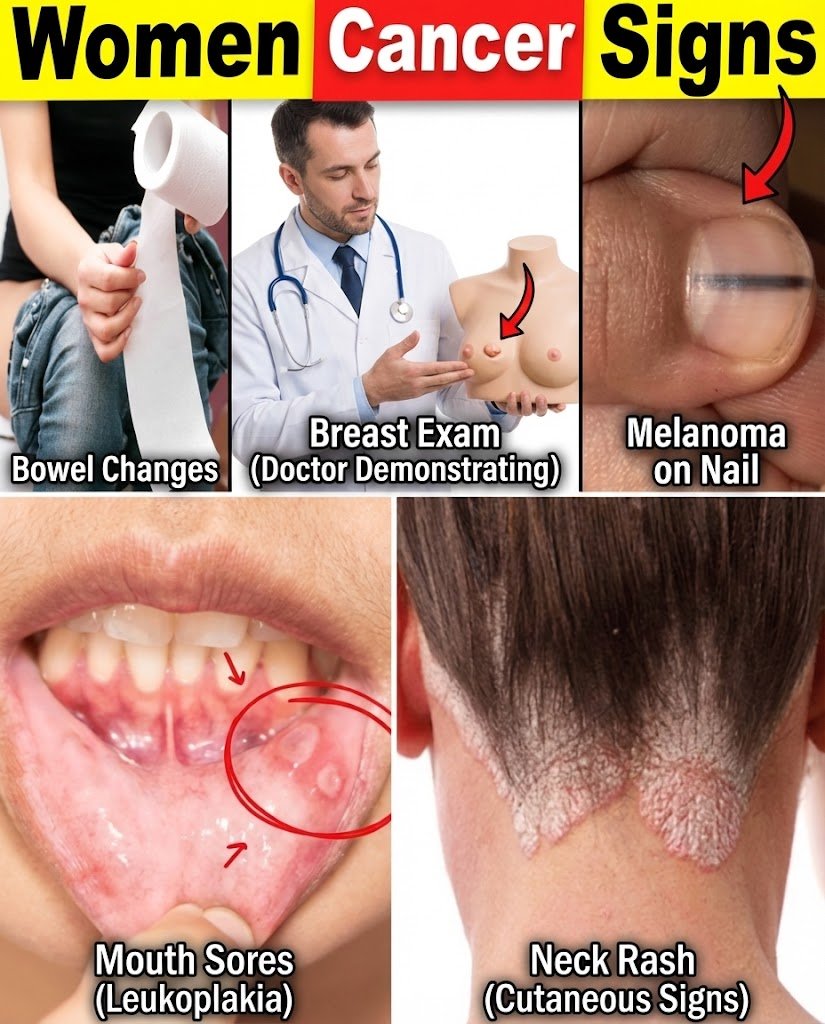
Why These Signs Are So Often Missed
Women’s bodies naturally go through frequent changes due to menstrual cycles, pregnancy, perimenopause, and menopause. Because of this, unusual symptoms are often normalized. Persistent fatigue, bloating, or pain may feel inconvenient rather than alarming. Unfortunately, ignoring these clues can delay diagnosis and treatment.
1. Unusual Vaginal or Rectal Bleeding
Bleeding between periods, after menopause, after intercourse, or from the rectum should never be ignored. These symptoms may signal gynecological or colorectal issues and always deserve prompt evaluation.
2. Unexplained Weight Loss
Losing more than 10 pounds without changes in diet or exercise may seem like a bonus, but it can indicate an underlying problem. Sudden, unintentional weight loss is a common early warning sign.
3. Breast Changes or Persistent Pain
Beyond obvious lumps, watch for skin dimpling, redness, nipple changes, unusual discharge, or pain not linked to your menstrual cycle. Knowing what’s normal for your breasts helps you notice what’s not.
4. Changes in Moles or Skin Spots
Moles that change in size, shape, color, or start bleeding or itching may be dangerous. Any evolving skin spot should be checked promptly.
5. Chronic Bloating or Pelvic Pain
Frequent bloating, feeling full quickly, pelvic pressure, or abdominal discomfort—especially when persistent—can signal deeper issues and should not be brushed off as digestive trouble.
6. Extreme, Ongoing Fatigue
Feeling exhausted despite adequate rest is not just a sign of a busy lifestyle. Persistent fatigue that interferes with daily life can be an early symptom of serious illness.
7. Irregular or Heavy Periods
Very heavy bleeding, prolonged periods, or sudden changes in your cycle may be more than hormonal fluctuations and deserve medical attention.
8. Drenching Night Sweats
Occasional night sweats can happen, but repeatedly waking up soaked—especially alongside fever or weight loss—should raise concern.
9. Swollen Lymph Nodes
Lumps in the neck, armpits, or groin that do not go away within a couple of weeks should be evaluated. Lymph nodes often signal that something is wrong.
10. Blood in Stool
Even small amounts of blood should never be assumed to be harmless. Changes in bowel habits or visible blood require prompt evaluation.
11. A Chronic Cough
A cough that lasts several weeks without improvement, especially if accompanied by blood or chest pain, should not be ignored.
12. New or Worsening Headaches
Headaches that feel different from usual, grow more intense, or are accompanied by vision or balance issues may need further investigation.
13. Persistent Mouth Sores or Jaw Pain
Sores, white or red patches, or pain in the mouth that do not heal within two weeks deserve attention.
14. Ongoing Urinary Problems or Blood in Urine
Frequent urgency, burning, pain, or blood in the urine—especially if recurring—should be checked rather than assumed to be a simple infection.
Taking Control Through Awareness
Listening to your body is an act of self-care, not fear. Tracking symptoms, scheduling routine screenings, and acting early can bring peace of mind—or catch problems while they are still manageable.
Imagine the relief of knowing you didn’t ignore the signs. Awareness empowers you to protect your health and your future. If even one of these symptoms resonates with you, consider it a reminder to take action today.