 By admin
 “Heavy periods, back pain, extreme fatigue? These ‘normal’ symptoms may have a treatable cause.”
Have you ever been told, “It’s just period pain. Every woman goes through it”?
Yet deep down, something feels different… stronger… not normal.
Around the world, millions of women live with endometriosis, but many wait years before receiving a diagnosis. During that time, pain is dismissed, fatigue is normalized, and fertility struggles are labeled “unexplained.”
Right now, rate your pelvic pain from 1–10.
How often have you convinced yourself it’s “just part of being a woman”?
Stay with me. By the end of this article, you may never look at “normal cramps” the same way again—and you’ll have a clear checklist that could help you seek answers sooner.
The Silent Condition Hiding in Plain Sight
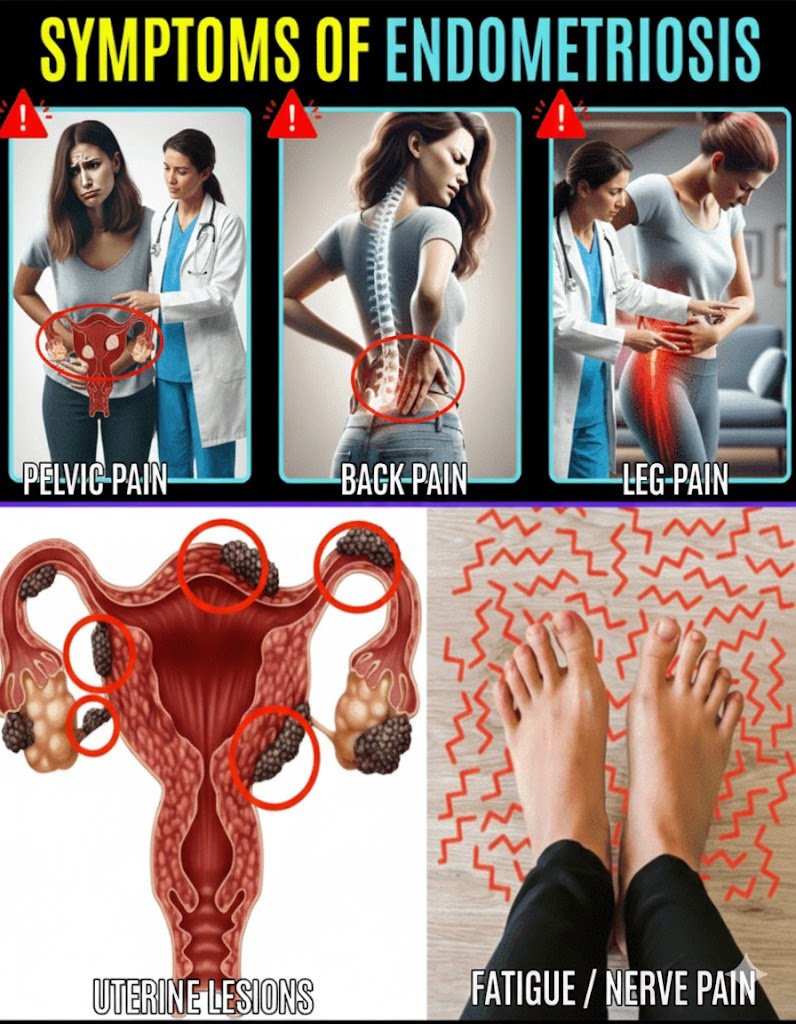
Endometriosis happens when tissue similar to the uterine lining grows outside the uterus—on the ovaries, fallopian tubes, bowel, bladder, and sometimes even nerves. Each month, this tissue responds to hormones, leading to inflammation, swelling, and scarring.
The result?
Pain → missed work → strained relationships → emotional exhaustion → delayed diagnosis.
Many women try painkillers, heating pads, or birth control. Relief may come briefly—but the symptoms return.
What if your body has been signaling something more all along?
1. Pelvic Pain That Isn’t “Just Cramps”
Severe cramping that forces you to cancel plans or miss work is not typical discomfort.
Pain that occurs outside your period—or during ovulation—is an important red flag.
If your pelvic pain is above 6/10 or happens beyond menstruation, don’t ignore it.
2. Pain During or After Sex
Deep pain during intimacy (especially with deeper penetration) can signal endometrial tissue growing behind the uterus.
This is common but often kept silent out of embarrassment.
Discomfort above 3/10? That’s worth discussing with a specialist.
3. Heavy or Prolonged Periods
Soaking through pads or tampons every hour? Passing large clots? Bleeding longer than 7 days?
Heavy, clotty bleeding can be linked to endometriosis or adenomyosis and deserves evaluation.
4. Chronic Lower Back or Leg Pain
Sciatica-like pain that worsens during your period may indicate endometrial tissue irritating pelvic nerves.
If back pain follows a monthly pattern, that’s not coincidence.
5. Painful Bowel Movements During Your Period
Sharp rectal pain, constipation, or diarrhea that flares with menstruation can signal bowel involvement.
Many women are misdiagnosed with IBS when the root cause is hormonal and cyclical.
6. Painful Urination or Blood in Urine During Periods
Recurring “UTIs” that test negative—or urinary burning that appears only during menstruation—may suggest bladder involvement.
7. Unexplained Infertility
Difficulty conceiving after 6–12 months of trying (depending on age) can sometimes be linked to undiagnosed endometriosis—even in mild cases.
8. Extreme Fatigue
Exhaustion that doesn’t match your lifestyle—despite adequate sleep—can result from chronic inflammation.
If you constantly feel drained around your cycle, pay attention.
9. Severe Bloating (“Endo Belly”)
Does your abdomen swell dramatically during your period, making you look pregnant?
Cyclical bloating is one of the most commonly overlooked signs.
10. Nausea or Vomiting During Periods
Intense cramps can trigger high prostaglandin levels, leading to nausea, vomiting, and even fainting.
Vomiting monthly is not “normal.”
11. Cyclical Leg Pain
Pain radiating down one leg that intensifies during menstruation may indicate rare but significant nerve involvement.
12. Pain When Sitting or Standing Too Long
Deep aching after prolonged sitting can point to deeper pelvic lesions or adhesions.
13. Mood Swings, Anxiety, or Depression
Chronic pain and inflammation affect mental health. Severe mood shifts before or during your period may be more than PMS.
If emotional crashes feel extreme or persistent, listen to that signal.
The Power of Tracking
Here’s a simple 7-Day Symptom Tracker:
Each day, record:
-
Pain level (1–10)
-
Location of pain
-
Bleeding intensity
-
Energy level
-
Mood changes
-
Digestive or urinary symptoms
Patterns often reveal what isolated symptoms cannot.
Women who bring detailed cycle journals to appointments are more likely to receive faster evaluation and referrals.
The Cost of Ignoring vs. Acting
Ignoring symptoms may allow progression, scarring, and fertility challenges.
Seeking evaluation early can preserve options, reduce suffering, and restore quality of life.
If you recognize several of these signs, consider scheduling an appointment with a gynecologist experienced in endometriosis. Early awareness changes outcomes.
Imagine This…
Thirty days from now, you have clarity.
Your pain is validated.
You’re no longer questioning your sanity.
That future begins with one decision:
Track your symptoms. Speak up. Advocate for yourself.
Your body has been whispering.
Now is the time to listen.
Disclaimer: This article is for educational purposes only and does not replace professional medical advice. If you suspect endometriosis or experience severe symptoms, consult a qualified healthcare provider promptly. Early diagnosis significantly improves long-term outcomes.