 By admin
 👉 These “harmless” night symptoms may be your body’s early warning of diabetes—spotting them early can change everything.
Have you ever blamed constant fatigue, itchy skin, or restless nights on stress or getting older? Many people do. Yet these everyday annoyances can sometimes be your body’s quiet way of asking for attention. What if listening more closely could help you act sooner and protect your long-term health? Stay with me until the end—because these subtle signals are easier to miss than you think, but incredibly important to recognize early.
Diabetes rarely announces itself loudly at first. Instead, it often whispers through small, nagging symptoms that feel harmless or temporary. Especially after 40 or 50, it’s easy to normalize disrupted sleep, blurry vision, or nighttime bathroom trips. But when blood sugar stays elevated, it affects nerves, circulation, hydration, and even sleep cycles—creating patterns many people overlook.
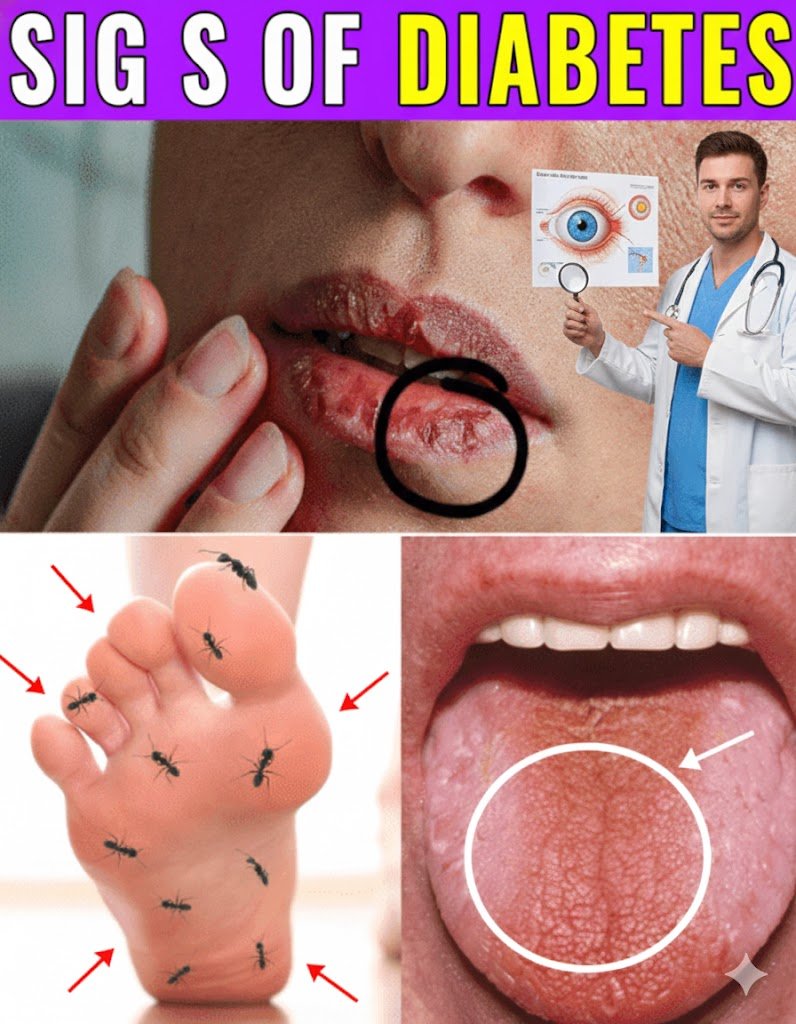
Take a moment to reflect: on a scale from 1 to 10, how often do issues like poor sleep, skin irritation, or unexplained tiredness interfere with your day? Keep that number in mind as we explore 11 lesser-known signs of diabetes hiding in plain sight.
1. Persistent Itchy or Dry Skin
When blood sugar is high, the body loses more fluids, leaving skin dry and irritated. Reduced circulation also makes it easier for fungal or bacterial infections to thrive. If moisturizing never seems enough, it may be time to look deeper.
2. Frequent Nighttime Urination
Waking up multiple times to urinate isn’t just inconvenient—it can signal that your kidneys are working overtime to remove excess sugar from the blood, pulling water along with it.
3. Blurred or Fluctuating Vision
High glucose levels can temporarily change the shape of the eye’s lens, causing vision to blur. While it may come and go, long-term imbalance can increase the risk of eye damage.
4. Restless Legs at Night
Crawling, tingling, or uncomfortable sensations in the legs—especially at night—can be linked to early nerve irritation associated with prolonged blood sugar imbalance.
5. Nighttime Sweats or Sudden Waking
Waking drenched in sweat or from intense dreams may be related to drops in blood sugar during the night, a sign that glucose regulation isn’t stable.
6. Sleep Apnea or Loud Snoring
Interrupted breathing during sleep is more common in people with insulin resistance and can worsen blood sugar control, creating a vicious cycle of poor rest and fatigue.
7. Painful Leg or Foot Cramps
Muscle cramps at night may result from nerve involvement, dehydration, or mineral imbalances—all of which can be influenced by high blood sugar.
8. Excessive Thirst at Night
Constant thirst, especially in the evening, often pairs with frequent urination. It’s the body’s attempt to correct dehydration caused by excess glucose.
9. Dry Mouth and Dental Problems
A dry mouth creates an environment where bacteria thrive, increasing the risk of cavities, gum disease, and oral infections—sometimes an early clue of metabolic imbalance.
10. Unexplained Fatigue
When glucose can’t efficiently enter cells, the body lacks usable energy. The result is persistent tiredness, even after a full night’s sleep.
11. Tingling, Burning, or Numbness
Early nerve discomfort in the hands or feet can appear subtly, but it’s one of the most telling signs that blood sugar has been elevated for some time.
Why Early Awareness Changes Everything
These signs rarely appear alone. They’re interconnected, often sharing the same root cause: unstable blood sugar. Recognizing patterns early allows for lifestyle adjustments, better monitoring, and professional guidance before complications develop.
Imagine how different life could feel in just a month—deeper sleep, clearer vision, calmer skin, steadier energy. The first step is simple awareness.
What You Can Do Next
Start by noting any symptoms you recognize today. Track sleep quality, thirst, skin comfort, and energy levels for a couple of weeks, then discuss your observations with a healthcare professional. Early conversations can make a powerful difference.
If this article reminded you of someone who’s always tired, itchy, or waking at night, consider sharing it. Sometimes one small insight is all it takes to change a health journey for the better.